

After a brain injury, some survivors may appear emotionally distant or unresponsive. Family members might notice fewer facial expressions, a monotone voice, or limited reactions to situations that would normally spark laughter, frustration, or excitement.
However, a seeming lack of emotion does not mean a person no longer feels. In most cases, the emotions are still there but the challenge lies in expressing them outwardly.
This condition, often called flat affect, is commonly linked to damage in the frontal lobe of the brain, the area of the brain involved in emotional regulation and expression.
In this article, we will explore why brain injury can affect emotional expression, the signs to look for, and practical ways to address and treat these changes. We hope you will come away with a better understanding of why emotional expression can change after brain injury and what you can do to support recovery.
Let’s dive in!
Table of contents
What Causes Flat Affect After Brain Injury?
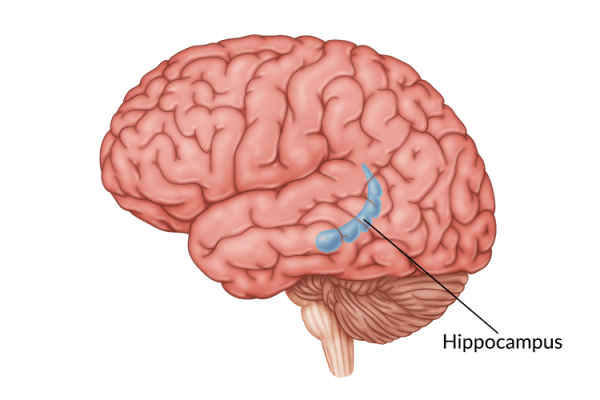
Emotions are not controlled by just one small area of the brain. Instead, they rely on a network of connected structures that work together. At the center of this network is the limbic system, which plays a major role in how we experience and regulate emotions.
The limbic system includes three key structures:
Together, these areas help you control and process emotional experiences, assign meaning to them, and trigger appropriate responses. They allow you to feel fear in dangerous situations, joy during happy moments, or concern when someone you love is hurting.
When a brain injury affects parts of the limbic system, emotional regulation can change. A person might have difficulty controlling emotional reactions, or their responses may not match the situation.
However, feeling an emotion and expressing it are not the same thing.
Another important structure involved in emotional expression is the cingulate cortex, which works closely with the limbic system. While the limbic system helps generate emotion, the cingulate cortex helps translate those internal feelings into outward expression, such as facial movements, tone of voice, and body language.
If the cingulate cortex or its connections become damaged, a person may still feel emotions internally but struggle to show them outwardly. Their face may appear still, and their voice may sound monotone. This reduced outward expression is known as flat affect.
Understanding this difference is important because in many cases, the emotion is still there. The brain simply has difficulty communicating it.
Other Reasons Why Someone May Lack Emotional Expression After Brain Injury
Not every brain injury survivor who appears emotionally flat has true flat affect. In fact, several other conditions can create similar outward signs. Understanding the difference is important because treatment may vary depending on the cause.
Let’s take a look at a few!
Depression
Depression after brain injury is unfortunately common. Beyond sadness, it can reduce motivation, energy, and interest in activities that once brought joy. A person may withdraw socially, speak less, or seem indifferent.
In these cases, the reduced emotional expression is often tied to low mood rather than difficulty expressing emotion neurologically.
Post-Traumatic Stress Disorder (PTSD)
PTSD can also occur after a traumatic injury. One hallmark symptom is emotional numbing or suppression. Someone with PTSD may avoid situations, detach from others, or limit emotional expression as a protective response to trauma.
Facial Paralysis or Nerve Damage
Sometimes the issue is physical rather than emotional. If a brain injury damages the nerves that control facial muscles, a person may struggle to form expressions even though they feel emotions normally inside. This can make them appear unresponsive when they are not.
Medication Side Effects
Certain medications, including some used to treat mood changes, seizures, or pain, may affect energy levels, emotional responsiveness, or tone of voice.
Because several factors can overlap, it is important not to assume that a lack of visible emotion means a lack of feeling. A medical professional can help determine whether the cause is neurological, psychological, physical, or medication-related.
Symptoms of Flat Affect After TBI

Persons who experience flat affect after brain injury often show certain symptoms, such as:
- Monotone speaking
- No change in facial expression
- Avoidance of eye contact
- Neutral body language (i.e. relaxed and staying still in a situation where they should be tense)
It’s important to realize that patients with flat affect can still experience emotions, they have simply lost the ability to express themselves.
People with brain injury can also develop a condition known as blunted affect or “emotional blunting.” Symptoms of blunted affect are similar to flat affect, but instead of showing no emotions, the person’s expressions are simply restrained.
Blunted affect is most common in patients with PTSD.
These symptoms can make the person appear as though they do not care about anything or other people. But for most brain injury patients, this is not true. They do care, they just are having difficulty showing it.
Treating Flat Affect After Brain Injury
The most effective way to treat flat affect is to identify and address the underlying cause. Because reduced emotional expression can stem from several different factors, treatment should be tailored to the individual.
For example, if depression or PTSD is contributing to emotional withdrawal, working with a therapist can make a meaningful difference. Counseling, cognitive therapy, and in some cases medication may help improve mood and increase emotional responsiveness. As mood symptoms improve, outward expression often improves as well.
In other cases, flat affect may occur alongside cognitive changes that make it harder to recognize, label, or interpret emotions. A person may feel “off” internally but struggle to understand exactly what they are experiencing. When this happens, cognitive behavioral therapy (CBT) can be especially helpful. CBT teaches practical strategies to identify emotions, challenge unhelpful thought patterns, and practice expressing feelings more clearly.
Cognitive-Behavioral Therapy for Flat Affect

Cognitive-Behavioral therapists can teach patients to identify their emotions and react appropriately. They do this through a series of exercises that help a person better understand their behavior and the emotions that might have lead to that behavior.
Cognitive-behavioral therapy can also retrain people to use facial expressions. For example, a therapist might teach you to smile and make eye contact when you say hello to someone.
The more you practice these behaviors, the more you will rewire your brain until these actions occur naturally again.
Speech Therapy
Another therapy that can help someone overcome flat affect is speech therapy. Specifically, speech therapy can help you eliminate a monotone voice.
A monotone voice usually occurs after a right hemisphere injury. Just as the right hemisphere controls a person’s awareness and appreciation of music, it also plays a part in the way we speak.
When a person suffers damage to the right side of their brain, not only can their ability to appreciate music be diminished, but they may also have trouble picking up on the subtle changes in pitch or tone during speech. This diminished musical ability can cause the person to sound monotone when speaking, giving them an almost robotic voice.
Speech therapists can help you regain the ability to control the pitch and tone of your voice. They do this through melodic intonation therapy (a.k.a. music therapy).
Once again, the more you practice any skill including music therapy, the better you will get at controlling your voice. That’s the power of neuroplasticity!
Caring for Someone With Flat Affect After Brain Injury

When a loved one has a flat affect, it can often feel like they have become cold and withdrawn, which puts a strain on relationships.
Remember that your loved one most likely is just as frustrated by their brain injury lack of emotion as you. As they struggle to translate their feelings into physical or verbal expressions, remember they still experience emotions and care.
It is helpful to realize this condition may impact your mental health. You might want to consider talking to a therapist familiar with brain injury. They can offer more personalized advice for coping with flat affect.
Overcoming Flat Affect After Brain Injury
A lack of visible emotion after brain injury can be confusing and, at times, painful for both survivors and their loved ones. It may look like indifference on the outside but in many cases, the feelings are still there. The brain is simply having a difficult time expressing them.
Understanding this distinction is powerful because it shifts the focus from assuming personality change to recognizing neurological change which can be addressed. Remember progress may take time, but meaningful connection is still possible and no one has to navigate these changes alone.
We hope you enjoyed this article and subscribe to our newsletter for weekly articles just like this delivered straight to your inbox — subscribe here.