Explore home recovery devices, guided services, and free educational resources designed to support recovery after stroke, brain injury, and other neurological conditions.
of practice people actually keep up, with a therapist in their corner
FitMi · Full-body home rehab
Nearly 3× faster
recovery than traditional home exercise programs
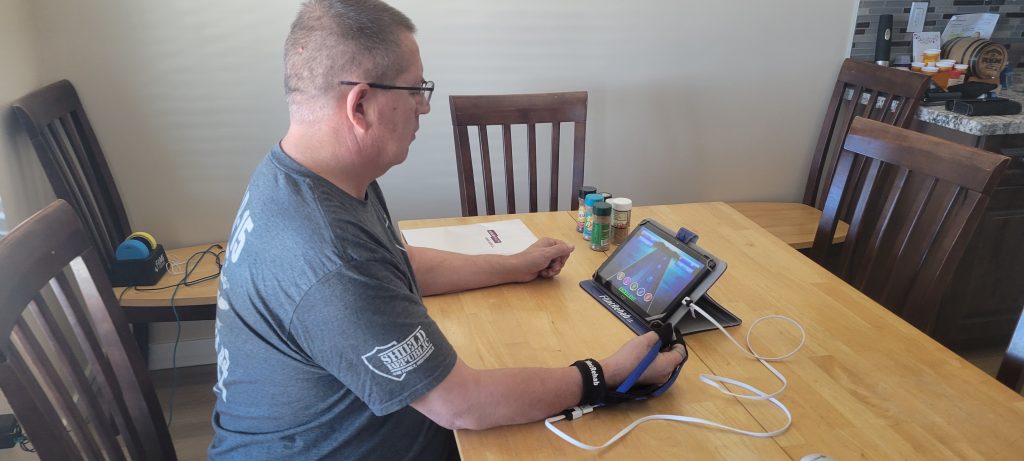
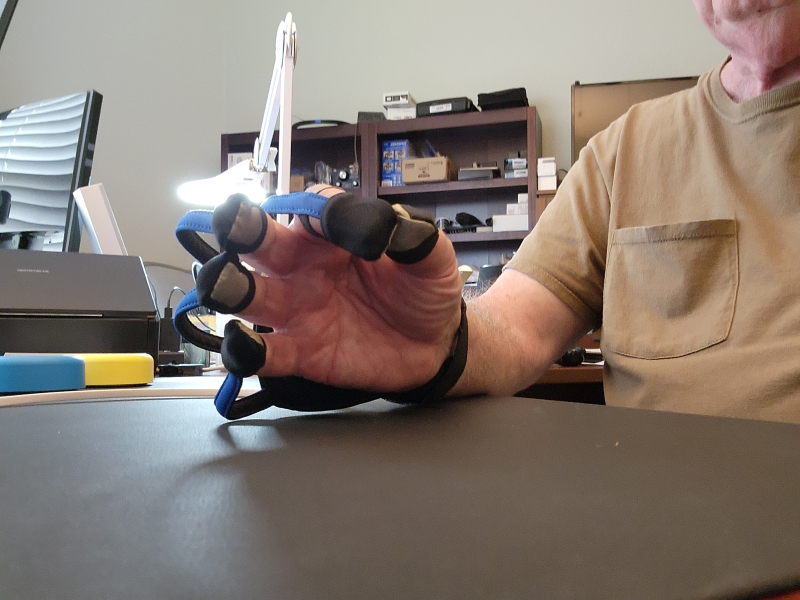
MusicGlove · Hand & finger therapy
Under 2 weeks
to increased hand function with MusicGlove
Remote Program · Therapist-guided
4+ days a week
of practice people actually keep up, with a therapist in their corner
FDA listed devices
Backed by peer-reviewed research
In 10,000+ homes, 41 countries
Used by 400+ rehab hospitals
Devices & programs
Tools to spark recovery
Each one turns the repetition therapy requires into something you’ll actually want to do again tomorrow — on your own, or with a therapist alongside you.
Best seller
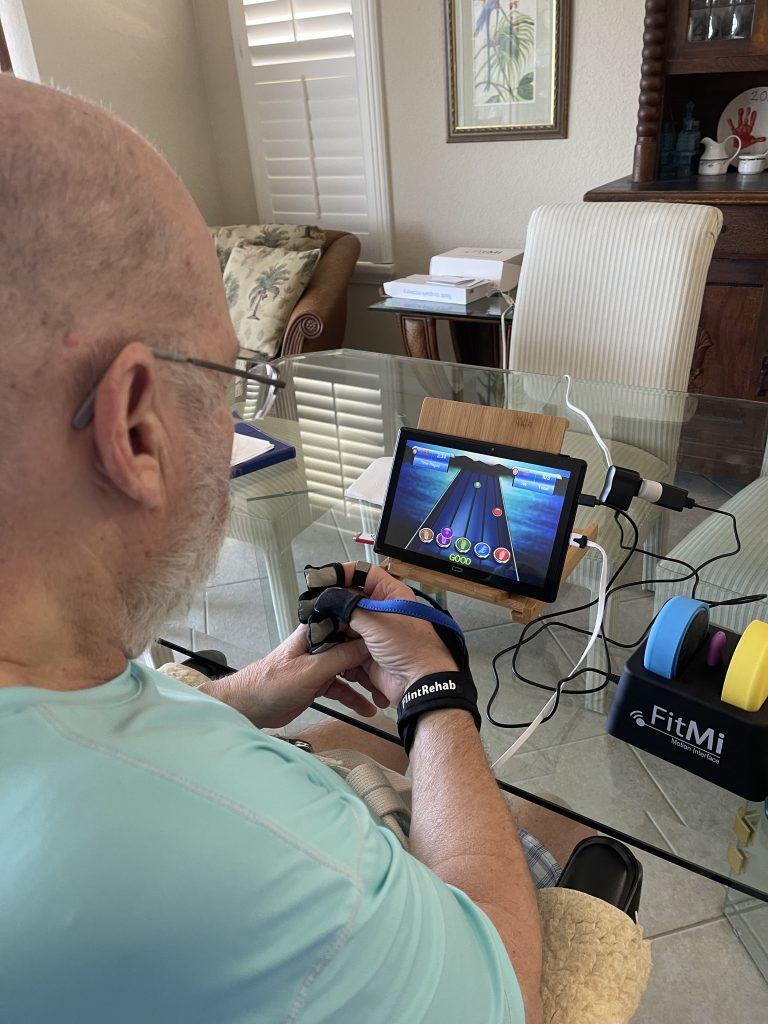
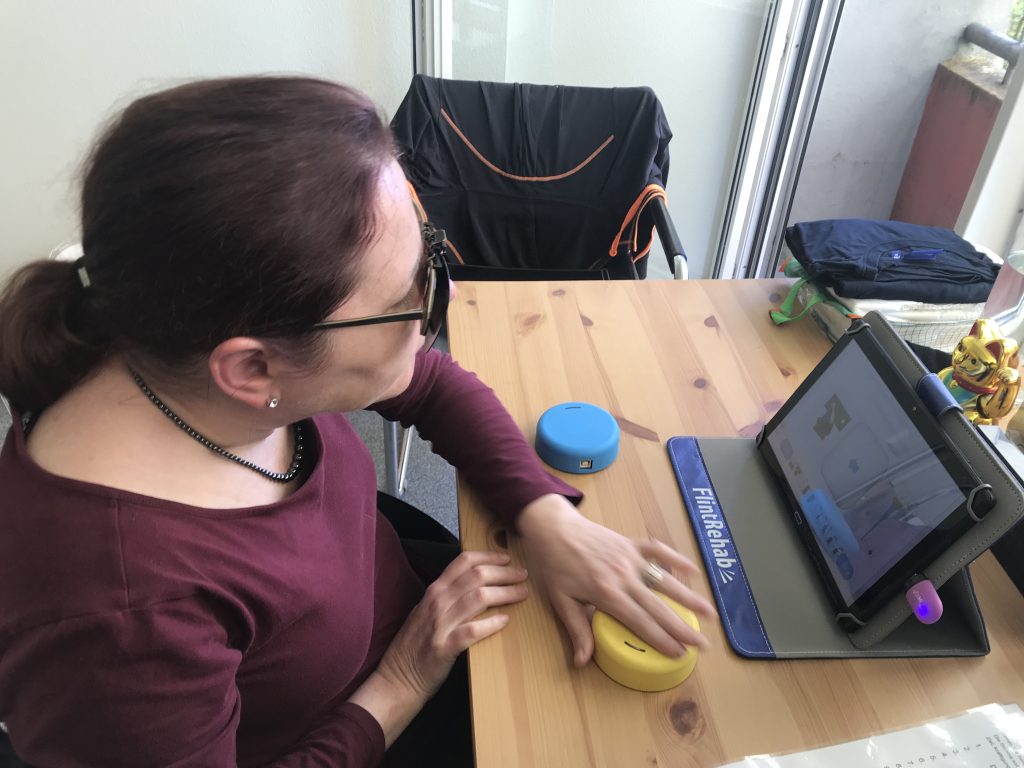
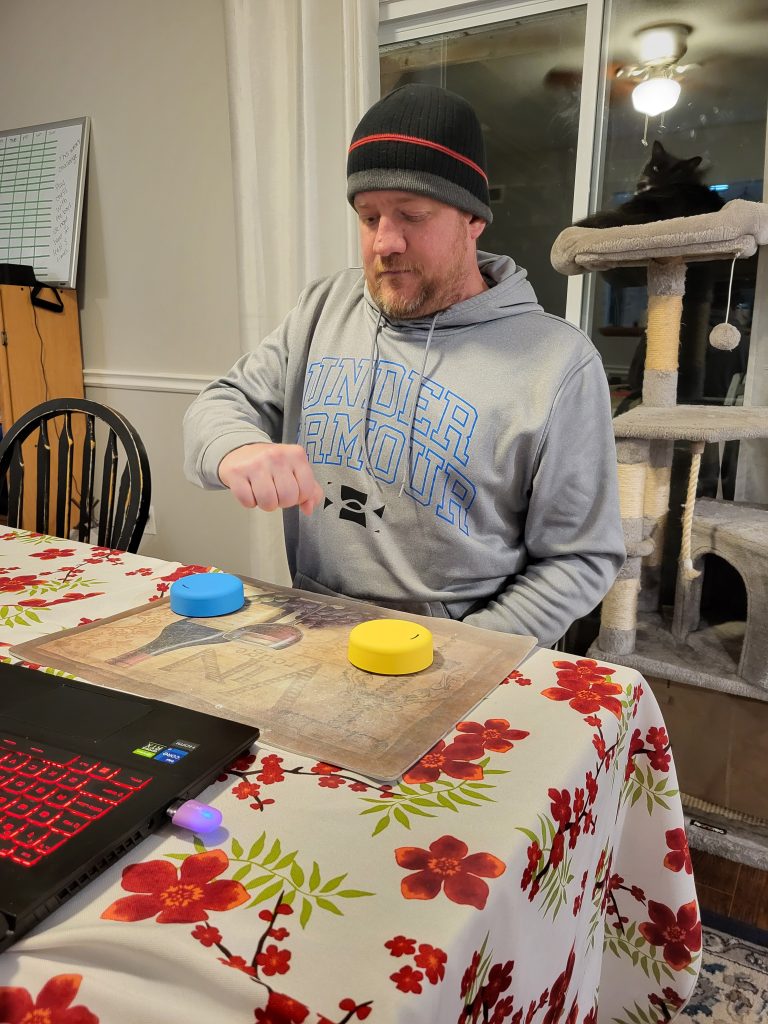
FitMi
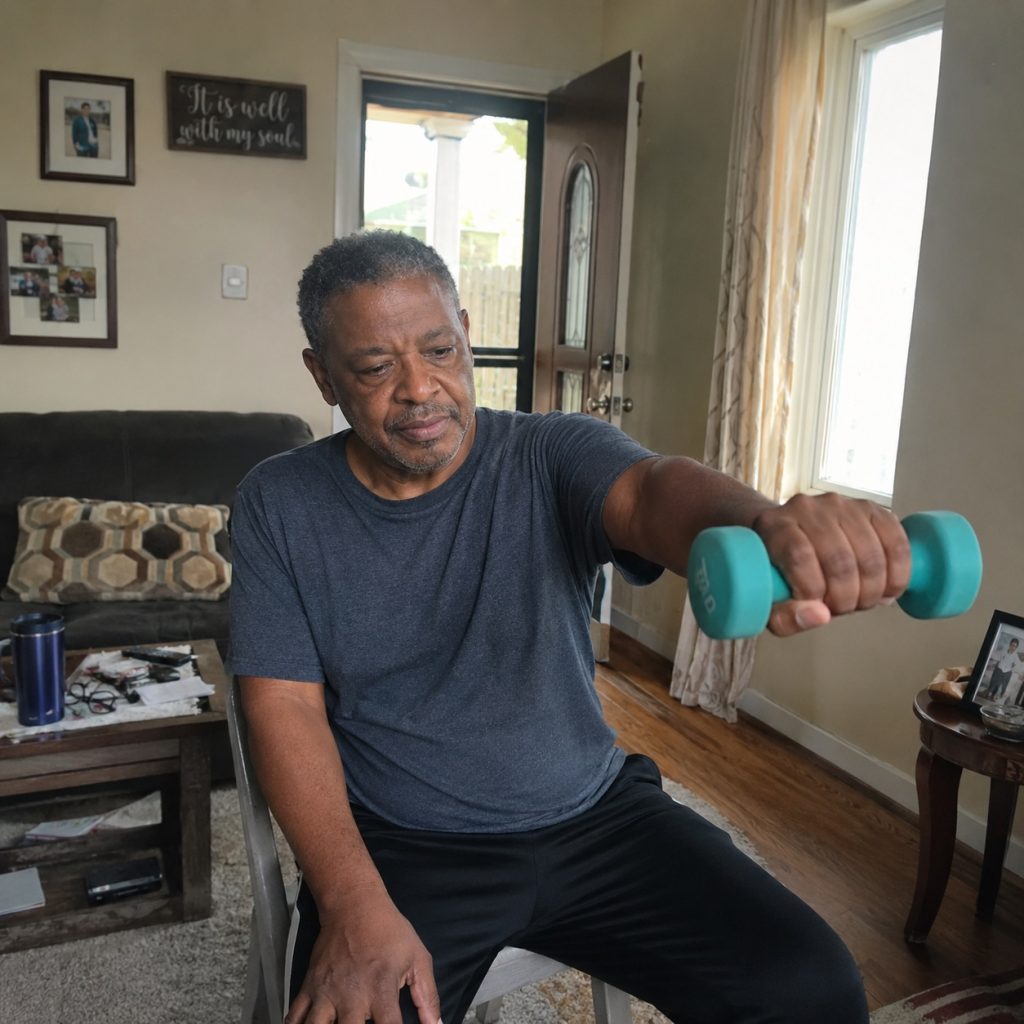
Hands, arms, core, and legs in one device. 40+ exercises that adapt to what you can do today.
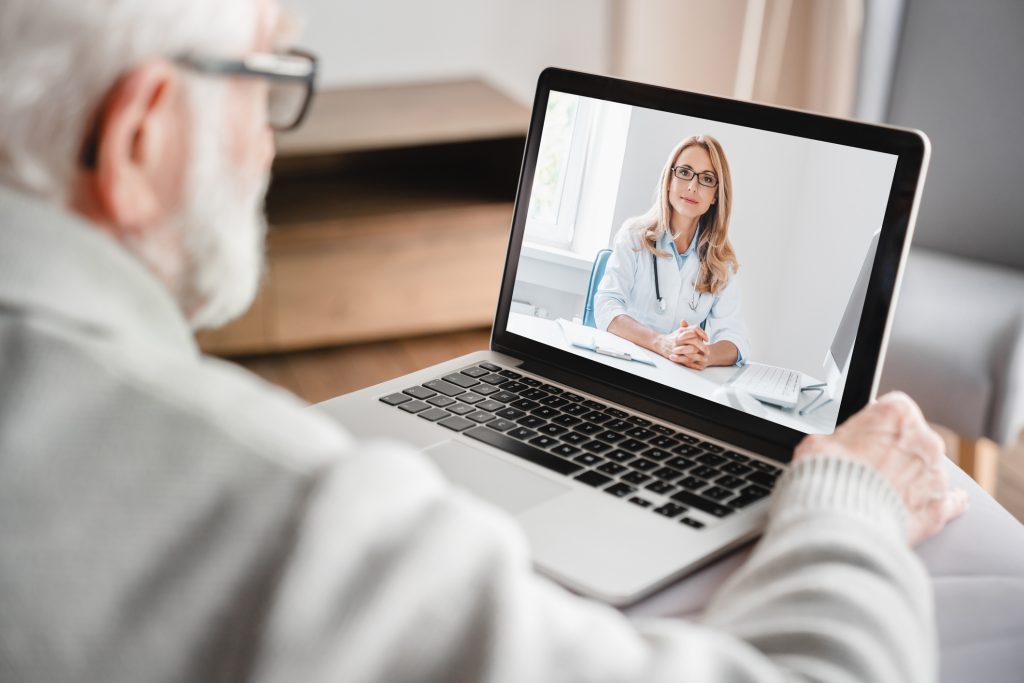
A licensed therapist builds your plan, reviews your progress data every month, and adjusts it as you gain. For the weeks when doing it alone stops working.
Not sure which fits? Email us at [email protected] and a recovery specialist will help you choose.
One question
Not sure which one is right for you?
Tell us what you’re working on. We’ll show you what therapists most often start people with — and the free guide that goes with it.
No email required
Takes about fifteen seconds
Sometimes the answer is a free guide, not a device
Find your device
One question
What do you want to work on?
Pick the area that matters most right now.
Nearly 3×
Faster recovery with FitMi
than traditional home exercise programs
2 wks
To measurable hand gains
with about 6 hours of MusicGlove
10,000+
Flint Rehab Users
across 41 countries
400+
Rehab hospitals
use our devices in the clinic
My wife used to help me eat. Now I make my own breakfast.
Duane C.
FitMi, 11 months
I use it almost every day and do all the exercises, and it helps me very much with improving my movements after my strokes.
Denise F.
FitMi
I have been using MusicGlove for a couple of months and already have much better use of my hand. Wish I had tried this much sooner.
Steve H.
MusicGlove
Why it works
Recovery is repetition, made bearable
The research is consistent: the brain rebuilds motor pathways through high volumes of quality, task-specific movement. The hard part was never the science — it was doing 300 repetitions on a Tuesday afternoon with no one watching.
High-repetition movement drives neuroplasticity — the brain’s ability to rewire itself around damaged tissue.
Immediate feedback turns invisible effort into visible progress — which is what makes tomorrow’s session happen.
Consistency beats intensity. Twenty minutes most days outperforms two hours once a week.
FitMi has been wonderful. I use it every day and I’ve seen improvement in my hands and legs. I am very happy with the program.
Walt H.
FitMi
I have been using MusicGlove for a couple of months and already have much better use of my hand. Wish I had tried this much sooner.
Steve H.
MusicGlove
I use it almost every day and do all the exercises, and it helps me very much with improving my movements after my strokes.
Denise F.
FitMi
My husband had a stroke in June 2022. He uses the FitMi and MusicGlove alongside outpatient therapy — he is seeing improvements in his right arm, fingers, and leg.
Donna N.
MusicGlove + FitMi
The recovery library
Free Recovery Resources Built By Our Team of Therapists
Information, eBooks, exercise guides and more built by our therapist team around stroke, brain injury, and spinal cord injury.
Most neurological recovery happens outside the clinic. A typical outpatient stroke program gives you two or three hours of therapy a week, while research on neuroplasticity suggests the brain needs hundreds of quality repetitions a day to rebuild motor pathways. That gap between what insurance covers and what the brain requires is the problem Flint Rehab was built to solve.
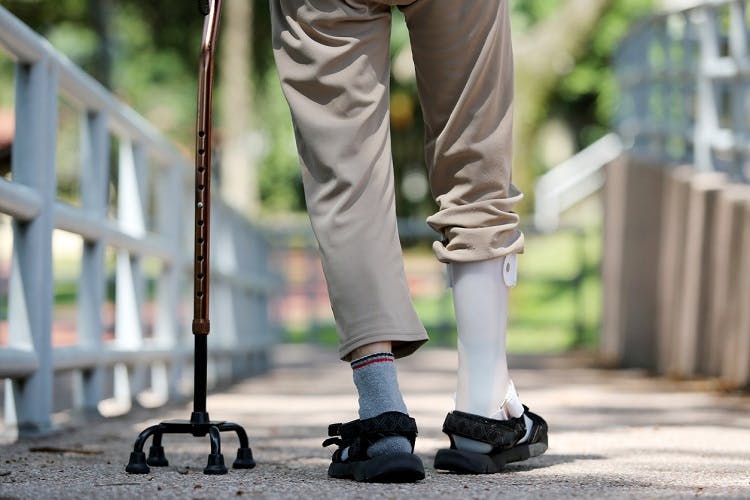
Home-based neurorehabilitation closes it with three things: a structured exercise plan you can follow without a therapist in the room, immediate feedback so you know a repetition counted, and enough variety that you come back tomorrow. Our devices provide all three. FitMi covers the full body across 40+ adaptive exercises; MusicGlove concentrates on hand and finger function; the Flex AFO supports walking with foot drop; and the CT Speech & Cognitive App addresses aphasia, memory, and attention.
None of this replaces your therapist. Our most successful users bring their progress data to appointments and use clinic time for the things only a clinician can do — assessment, adjustment, and the judgment call about what to work on next. If you’re early in stroke recovery, recovering from a traumatic brain injury, or living with a spinal cord injury, our condition guides are a good place to start before you buy anything at all.
And if your injury was years ago: recovery can continue for years. Plateaus are usually about the amount of practice, not the limit of what’s possible.
Small victories, measured daily, add up to real functional gains.
Frequently asked
Common questions
Is the blog really free?
Yes. No email gate, no account. Roughly a third of our readers never buy anything, and that’s fine — teaching first is the point.
Will insurance or VA benefits cover a device?
Insurance rarely covers home rehab devices directly, but many customers use HSA or FSA funds, and VA benefits sometimes apply. Email us and we can send documentation for your claim.
How much practice does it take to see change?
MusicGlove users saw increased hand function in about two weeks with roughly six hours of total use. FitMi’s trial measured 8.0 vs. 3.0 Upper Extremity Fugl–Meyer points over the study period in subacute stroke.
Who writes and reviews the articles?
Our in-house writers draft them and licensed therapists review them. Clinically reviewed articles carry the reviewer’s name and credentials.
Is it too late if my stroke was years ago?
No. Recovery can continue for years — plateaus are usually about the amount of practice, not the limit of what’s possible.
What if a device doesn’t work for me?
Every device has a 30-day money-back guarantee. If it isn’t the right fit, send it back.
Where to start
The path is different depending on where you’re standing
Pick the one that sounds like you. Every route starts with something free.
I’m recovering
Build a home practice you can keep up with, and understand what’s actually happening in your brain and body.